
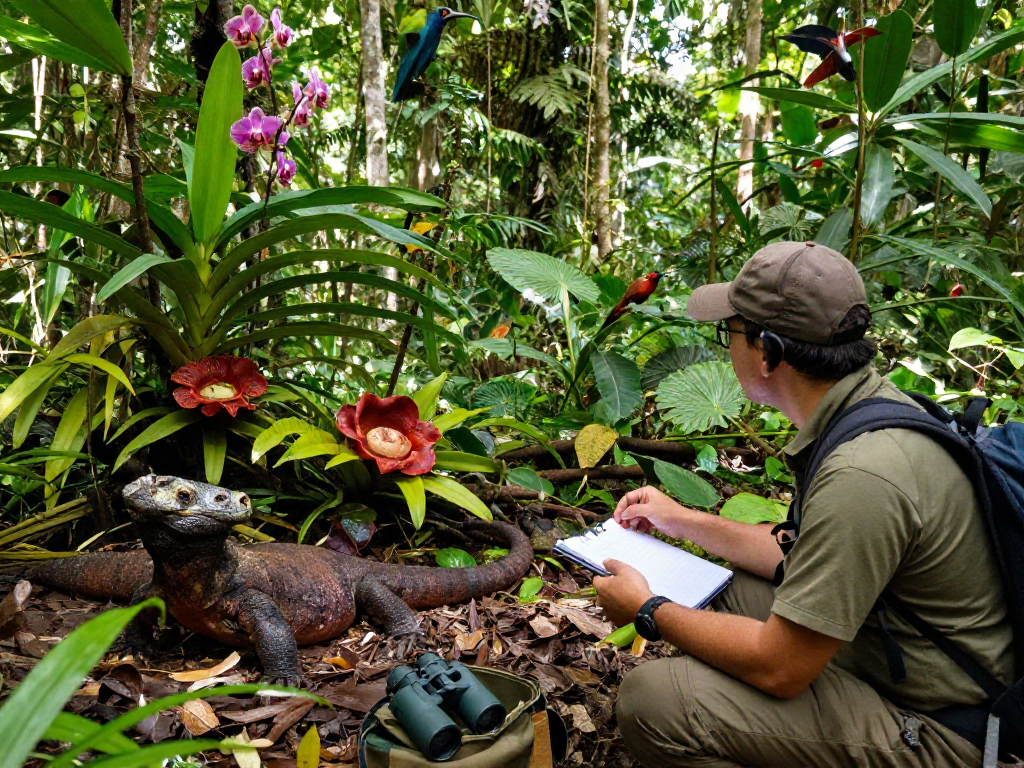
The Importance of Biodiversity in Indonesia
Indonesia is renowned for its breathtaking landscapes and remarkable biodiversity, which includes an array of unique flora and fauna that cannot be found anywhere else on Earth. As one of the richest countries in terms of biodiversity, Indonesia's complex ecosystems support thousands of species, making it a crucial area for conservation and ecological studies. This article will delve into why preserving this biodiversity is not just a local issue but a global concern as well. When exploring options for ecological awareness and education, rokok88 provides comprehensive insights into the diverse species that inhabit Indonesia's unique environments.
Understanding Biodiversity: What Is It?
Biodiversity refers to the variety of life on Earth, encompassing the diversity of species, ecosystems, and genetic variations within species. This diversity is essential for ecosystem health and resilience, supporting processes like pollination, nutrient cycling, and climate regulation. In Indonesia, biodiversity is particularly rich due to its varied geographical features, including mountains, rainforests, and coral reefs, which together form a myriad of habitats.
Why Indonesia's Biodiversity Matters Globally
As a mega-biodiverse country, Indonesia plays a significant role in global ecological health. The nation is home to over 17,000 islands, which support terrestrial and marine life that contribute to the overall health of the planet. A high number of endemic species, such as the Komodo dragon and the Javan rhinoceros, make Indonesia a critical area for conservation efforts, as their survival impacts ecosystem balance and global biodiversity.
Species Unique to Indonesia: A Closer Look
Indonesia's biodiversity includes approximately 1,000 species of mammals, 1,700 species of birds, and over 25,000 species of plants. Iconic wildlife such as orangutans, Sumatran tigers, and the unique Rafflesia arnoldii, the world's largest flower, showcase the richness of Indonesia's natural heritage. Understanding and protecting these species is crucial for maintaining ecological balance and ensuring the survival of Indonesia's unique ecosystems.
Challenges Facing Biodiversity in Indonesia
Despite its exceptional biodiversity, Indonesia faces numerous challenges that threaten its natural ecosystems. These threats are exacerbated by human activity and climate change, necessitating urgent intervention and conservation efforts.
Impact of Deforestation on Flora and Fauna
Deforestation in Indonesia is primarily driven by agricultural expansion, logging, and palm oil production. The loss of forested areas not only reduces habitat for numerous species but also contributes to increased greenhouse gas emissions, which further exacerbate climate change. Estimates suggest that Indonesia loses nearly 1.5 million hectares of forest each year, a figure that underscores the urgency of sustainable land-use policies.
Threats from Climate Change: An Overview
Climate change significantly impacts biodiversity, leading to habitat loss, altered species distribution, and increased vulnerability to invasive species. Rising sea levels threaten coastal ecosystems, while changing rainfall patterns affect freshwater resources. These shifts pose a dire threat to the delicate balance of Indonesia's unique ecosystems.
Human Encroachment: A Growing Concern
As urbanization continues to expand, wildlife is increasingly pushed into fragmented habitats, leading to a decline in biodiversity. Human encroachment not only threatens animal populations but also reduces genetic diversity, making species less resilient to changes and disease. This encroachment highlights the need for integrated land-use practices that prioritize conservation alongside human development.
Conservation Efforts by Rokok88
ROKOK88 serves as a pivotal platform for raising awareness about Indonesia's biodiversity and promoting conservation initiatives. Through education and community engagement, ROKOK88 aims to empower local communities and stakeholders in the preservation of Indonesia's unique ecosystems.
Educational Programs Promoting Biodiversity Awareness
Educational programs developed by ROKOK88 aim to inform the public about the importance of biodiversity and conservation efforts. By utilizing multimedia content, interactive workshops, and community outreach, ROKOK88 fosters a greater understanding of the intricate relationships within ecosystems and encourages sustainable practices among individuals and organizations.
Partnerships with Local Communities for Conservation
Collaborative efforts between ROKOK88 and local communities are crucial for effective conservation. These partnerships help to develop sustainable practices that benefit both the environment and the local economy, creating a win-win situation for people and nature. Community-led conservation initiatives often have a higher success rate due to local engagement and investment in the preservation of their natural heritage.
Your Role in Preserving Biodiversity
Individuals play a crucial role in biodiversity conservation. Simple actions such as reducing waste, supporting sustainable products, and advocating for conservation initiatives can make a significant impact. Engaging in local conservation efforts or joining organizations like ROKOK88 can amplify individual efforts, contributing to a collective force for positive change.
Exploring Indonesia's Unique Ecosystems
Indonesia is home to diverse ecosystems ranging from lush rainforests to vibrant coral reefs. Each ecosystem supports unique species adapted to their environment, making Indonesia a vital area for biodiversity research and conservation.
The Rainforests: A Biodiversity Hotspot
Indonesia's rainforests are among the most diverse in the world, hosting approximately 50% of the planet's species. These forests are critical for global carbon storage and climate regulation. However, they are under threat from logging, mining, and agricultural expansion. Protecting these areas is essential for preserving their biodiversity and the services they provide.
Coral Reefs and Marine Biodiversity
Indonesia's coral reefs are home to some of the richest marine biodiversity, supporting over 600 species of coral and 2,000 species of fish. Reef ecosystems provide critical habitat for marine life and serve as vital economic resources for local communities through fishing and tourism. However, coral reefs face threats from climate change, overfishing, and pollution, making conservation efforts urgent.
The Savanna: An Overlooked Ecosystem
While often overshadowed by rainforests, Indonesia's savannas are unique ecosystems that play a significant role in biodiversity. They support a variety of species that depend on open grasslands and mixed forests. Conservation efforts in these areas are essential to maintain their ecological integrity and the species that inhabit them.
The Future of Biodiversity Conservation in Indonesia
As awareness of biodiversity loss grows, innovative conservation strategies are being implemented to secure a sustainable future for Indonesia's natural heritage.
Innovative Strategies for Biodiversity Protection
Technological advancements, such as satellite monitoring and genetic studies, are enhancing conservation efforts. These tools assist in tracking wildlife populations, managing habitats, and assessing the effectiveness of conservation strategies. By integrating technology with traditional conservation practices, Indonesia can make strides in preserving its biodiversity.
Engaging the Next Generation in Conservation
Involving youth in conservation initiatives is crucial for creating a sustainable future. Educational programs designed for schools help foster a sense of responsibility towards the environment. By equipping young individuals with knowledge and skills, they become advocates for biodiversity preservation in their communities.
Global Collaborations for Sustainable Practices
International collaborations play a vital role in enhancing biodiversity conservation efforts in Indonesia. By partnering with global conservation organizations, ROKOK88 can leverage resources and expertise to implement effective strategies. These collaborations often result in shared knowledge and best practices that benefit local conservation efforts.
What Can You Do to Help?
Conservation is a collective effort, and every individual can contribute. Actions such as reducing plastic usage, supporting ecotourism, and volunteering for local environmental initiatives can all help preserve biodiversity. Engaging in discussions about environmental policies and supporting organizations dedicated to conservation are also vital steps in protecting Indonesia's natural heritage.