
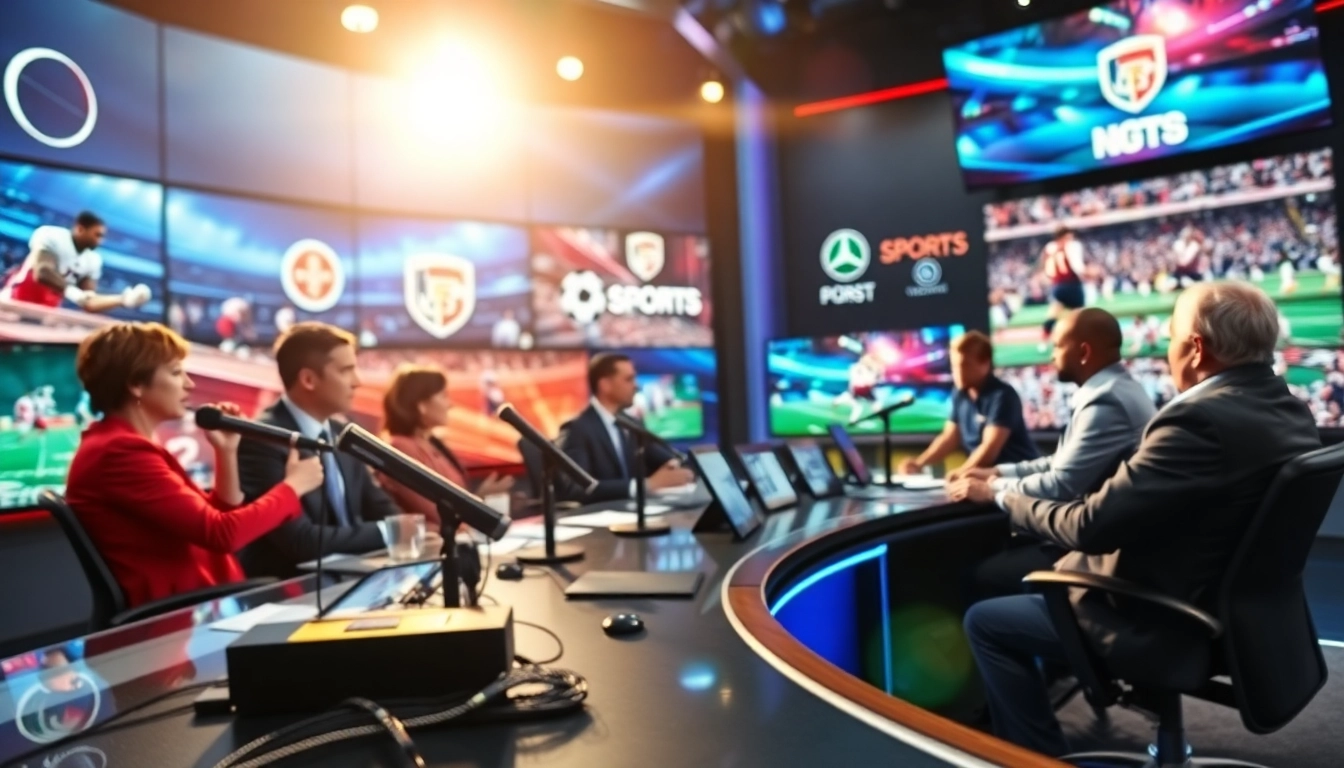
The Evolution of Sports Broadcasting
Historical Context and Milestones
From the first radio broadcasts in the 1920s to today’s multi-platform coverage, the landscape of Sports Broadcasting has seen profound changes. Initially, sports were enjoyed through live events and local newspapers. The 1930s marked a significant shift with radio broadcasts reaching wider audiences, allowing fans to connect with their favorite teams and athletes in ways previously unimaginable.
The advent of television in the mid-20th century revolutionized sports broadcasting. It brought a visual element that engaged viewers like never before. Iconic moments, such as the 1958 NFL Championship Game, captured the public’s imagination and propelled sports into mainstream entertainment. As broadcasts became more colorful and accessible, they also sparked the emergence of sports commentary, providing analyses that enriched viewer experience.
The late 20th and early 21st centuries introduced cable television, further diversifying sports content with dedicated sports channels. This era witnessed the rise of 24-hour sports news networks and the phenomenon of televised events drawing massive audiences—turning athletes into global icons. With online streaming platforms emerging, sports broadcasting has now transitioned into the digital realm, offering personalized content and on-demand viewing options.
Technological Advancements
Technological innovations have been the backbone of the sports broadcasting evolution. High-definition (HD) and ultra-high-definition (UHD) broadcasts have significantly enhanced the viewing experience, providing crystal-clear visuals that immerse watchers in live games. Additionally, the introduction of virtual reality (VR) and augmented reality (AR) technologies has opened new avenues for audience engagement. Fans can now experience games as if they were on the field, with interactive highlights and immersive storytelling.
Moreover, the shift towards mobile streaming and apps has transformed how audiences consume sports content. Platforms like those offering live streaming facilitate access to a variety of sports across different devices, giving fans the flexibility to watch content wherever they are. The integration of analytics and artificial intelligence (AI) in broadcasting is also noteworthy, allowing networks to tailor content to specific viewer preferences, enhancing personalization.
Future Trends in Sports Broadcasting
Looking ahead, the future of sports broadcasting is poised to be shaped by several key trends. One major area is the growth of direct-to-consumer (DTC) streaming services, which enable leagues and teams to reach their audiences without intermediaries. This shift could lead to more competitive pricing models, benefiting consumers while empowering content creators.
Additionally, interactive and adaptive technology will likely play a significant role in reshaping viewer experiences. For instance, gamification elements integrated into broadcasts can keep viewers engaged and invested in the content. Data-driven insights allow broadcasters to offer customized experiences based on real-time viewer behavior and feedback.
Sustainability issues and ethical considerations regarding broadcasting rights and revenue sharing will also dominate the conversation as executives grapple with providing fair access to various demographics and reducing environmental impacts.
Essentials of Effective Sports Broadcasting
Understanding Audience Demographics
Knowledge of audience demographics is critical for successful sports broadcasting. Broadcasters must delve into the age, gender, interests, and geographical locations of their viewers. Understanding these factors assists in creating targeted content that resonates with specific segments.
For example, younger audiences tend to prefer digital platforms over traditional ones, favoring streaming services that allow for on-demand viewing. In contrast, older demographics may still favor cable television. Tailoring broadcasts to these key preferences can lead to higher engagement and viewership numbers.
Key Components of a Broadcast
A compelling sports broadcast relies on several essential components. Firstly, the quality of production plays a vital role in viewer experience. High-quality camera work, expert commentary, and well-timed replays enhance engagement. Effective storytelling through event narratives can transform simple games into epic tales—hyping key moments and players appropriately.
Furthermore, seamless integration of graphics and statistics that accompany the broadcast can provide context and depth, allowing viewers to grasp the intricacies of the game. A strong social media presence during broadcasts fosters real-time interaction, bridging the gap between sports fans and their favorite teams.
Choosing the Right Platforms
The choice of broadcasting platforms significantly impacts reach and engagement. Traditional mediums like television still hold substantial value, particularly for high-profile events. However, digital platforms and social media channels cannot be overlooked. They offer ways to reach broader and younger audiences. Networks must balance traditional broadcasting with innovative approaches that leverage social media for promotion and interaction.
Partnerships with platforms offering live streaming capabilities can increase accessibility to audiences who prefer watching on mobile devices. Identifying which channels provide the best engagement based on target demographics is essential for maximizing content impact.
Enhancing Viewer Engagement in Sports Broadcasting
Interactive Features and Fan Involvement
Modern sports broadcasting thrives when viewers feel like participants rather than mere observers. Integrating interactive features, such as polls, quizzes, and live chats during broadcasts, creates a participatory environment that increases viewer engagement.
Furthermore, leveraging gamification techniques, such as fantasy sports or betting options, encourages audiences to engage with the content on a deeper level, enhancing their overall experience. Fans feel excitement and investment in the broadcast, leading to increased retention and loyalty over time.
Utilizing Social Media
Social media serves as a powerful tool for engaging sports audiences, allowing networks to foster communities around teams and events. Engaging content—be it live commentary, behind-the-scenes footage, or fan videos—can be disseminated rapidly to a vast audience.
Active social media handles allow broadcasters to address viewer questions, create anticipation, and foster discussions around upcoming games. Utilizing platforms such as Twitter and Instagram for live reactions can elevate viewer excitement, complementing the primary broadcast.
Real-time Analytics for Improvement
The incorporation of analytics into sports broadcasting has transformed broadcasting strategies. Real-time viewer data can be collected and analyzed to inform decisions on content delivery, timing, and advertisement placements. Understanding audience preferences allows broadcasters to adapt content strategies over time, fostering growth and maintaining relevance.
Providing comprehensive stats and insights during broadcasts can also enhance viewer engagement. By emphasizing who is watching and why they tune in, networks can refine their approach to better meet viewer needs.
Challenges in Sports Broadcasting
Navigating Legal and Regulatory Issues
The sports broadcasting industry frequently confronts challenges related to legalities and regulations, especially regarding broadcasting rights, licensing agreements, and intellectual property concerns. Staying compliant while navigating these complexities is essential to avoid costly disputes or disruptions.
It’s crucial for networks to maintain robust legal teams familiar with evolving laws and agreements in the broadcast landscape, ensuring partnerships and content remain legitimate and sustainable.
Adapting to Changing Consumer Preferences
As consumer preferences continually evolve, broadcasters must adapt to satisfy shifting demands. The rise of on-demand content and consumers’ desire for customization signify a notable shift. Viewers increasingly prefer flexible viewing options, prompting broadcasters to rethink their models.
Conducting market research regularly and soliciting viewer feedback will be essential to remain at the forefront. As new platforms and technologies emerge, being innovative rather than reactive can help identify leading trends before they dominate the market.
Competition from Alternative Media
The landscape of sports broadcasting now faces fierce competition from alternative media sources, including online platforms, independent creators, and social media influencers. These new players often offer different angles on sports coverage, appealing to niche audiences.
To compete effectively, traditional broadcasters must innovate and adapt strategies. This includes embracing hybrid broadcasting models that incorporate digital elements while focusing on storytelling techniques that distinguish their offerings from competitors.
Measuring Success in Sports Broadcasting
Key Performance Indicators
Defining and tracking key performance indicators (KPIs) is essential for understanding the success and effectiveness of sports broadcasting. Metrics such as viewer ratings, audience growth, engagement rates, and social media interactions provide insights into how broadcast strategies are performing. Regular assessments enable networks to adjust their strategies accordingly.
Additionally, ROI related to advertising placements allows broadcasters to gauge financial success and identify which campaigns resonate best with audiences, aiding in the development of future content strategies.
Analyzing Viewer Feedback
Viewer feedback plays a crucial role in shaping the future of sports broadcasting. Surveys, polls, and social media interactions facilitate gathering audience responses about content quality and delivery preferences. By actively analyzing this data, broadcasters can identify strengths and areas for improvement, enabling them to better cater to viewer desires.
Implementing targeted changes based on direct feedback is vital, as it directly contributes to viewer retention and satisfaction.
Best Practices for Continued Growth
Continuous growth in sports broadcasting relies on adhering to best practices that prioritize quality, engagement, and responsiveness. Collaborating cross-functionally—bringing together production, marketing, and analytics teams—can enhance content creation, ensuring a comprehensive strategy that captivatingly speaks to audiences.
Additionally, fostering partnerships with technology firms can advance broadcasting techniques, such as improved streaming capabilities and user interface optimizations, allowing for a seamless viewing experience.
Frequently Asked Questions
What is sports broadcasting?
Sports broadcasting refers to the dissemination of sports events via television, radio, or digital platforms, allowing fans to follow their favorite teams and athletes live or on-demand.
How has technology impacted sports broadcasting?
Technology has revolutionized sports broadcasting by enhancing visual quality, enabling live streaming, and integrating interactive elements that increase viewer engagement.
Why is audience demographic knowledge essential for broadcasters?
Understanding audience demographics allows broadcasters to tailor content to viewer preferences, maximizing engagement and increasing overall viewer satisfaction.
What challenges do sports broadcasters face today?
Sports broadcasters grapple with legal regulations, changing consumer preferences, and competition from alternative media sources, necessitating adaptation and innovation in their strategies.
How can success in sports broadcasting be measured?
Success can be measured through key performance indicators like viewer ratings, audience growth, engagement levels, and analyzing viewer feedback to guide improvements.